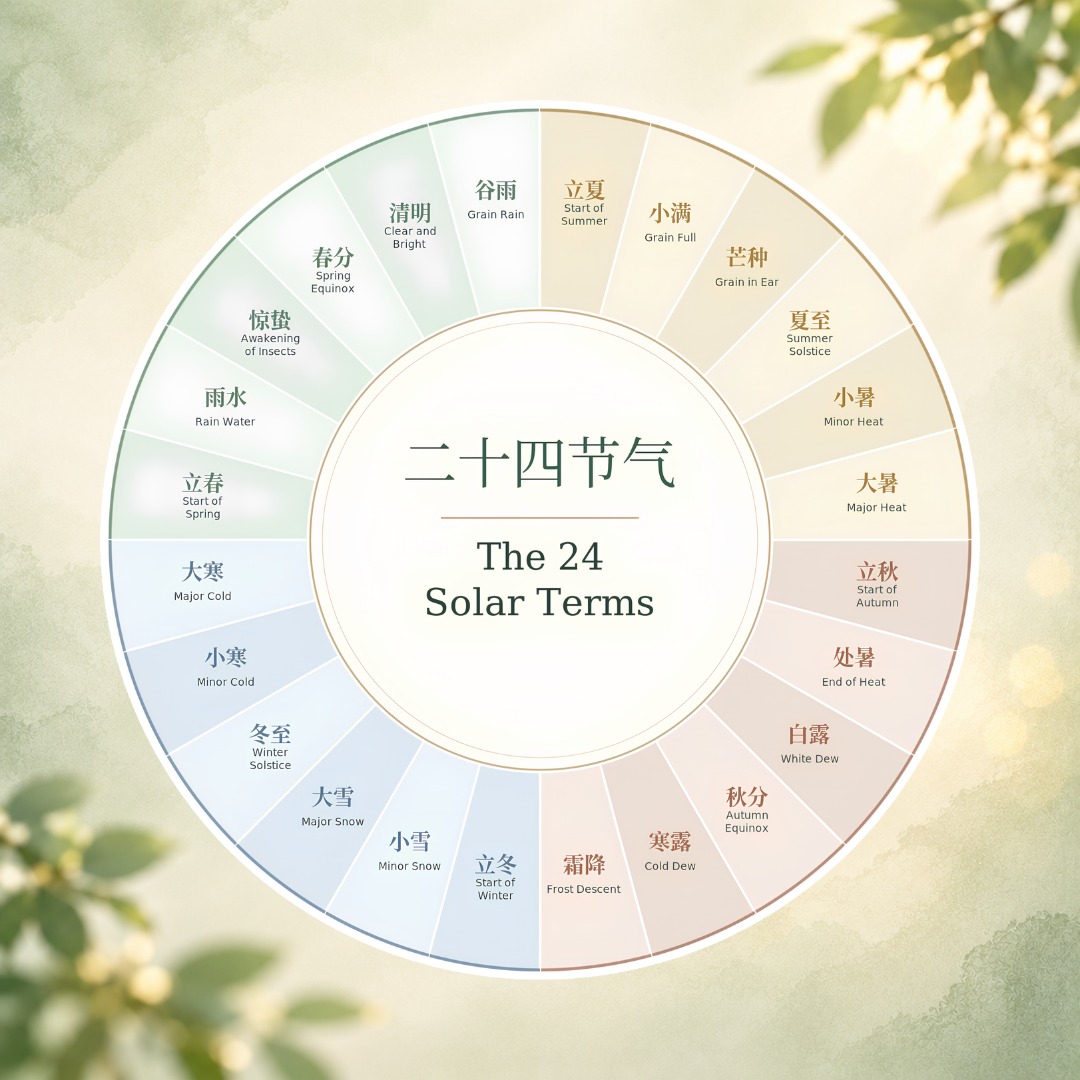
The 24 Solar Terms (二十四节气) are an ancient Chinese system that follows the Sun's movement throughout the year. They reflect the changing seasons and the natural flow of Qi between Heaven and Earth.
Each year is divided into 24 periods, with each lasting approximately 15 days. As the Sun moves through every 15 degrees of its annual journey, a new Solar Term begins, marking a gradual shift in the energy of nature.
In Chinese Metaphysics, these changes are more than seasonal transitions. They reflect the movement of Yin and Yang and the changing strength of the Five Elements, which are traditionally believed to influence our environment, health, emotions, and personal fortune.
In Feng Shui and Chinese Astrology, the Solar Terms provide an important guide to understanding the movement of Qi. They help us to:
- Recognize when new seasonal energies begin.
- Understand when certain elemental influences and stars strengthen or weaken.
- Select favorable timing for important activities and decisions.
- Adjust our living environment and daily activities to support the changing Qi.
In ancient times, people followed the Solar Terms to determine when to plant, harvest, store food, and prepare for seasonal changes.
Today, the same wisdom continues to guide us. By understanding the rhythm of nature, we can make better preparations, recognize opportunities, and approach changes with greater awareness.
The 24 Solar Terms and Their Feng Shui Meanings
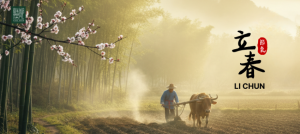
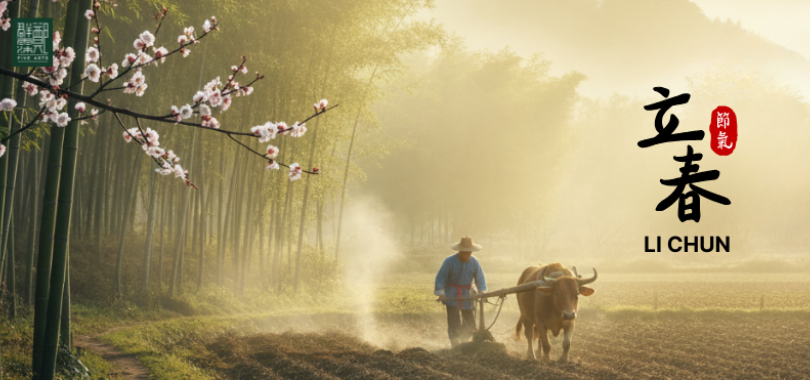
- 1. Lì Chūn 立春 — Start of Spring: The year’s qi awakens. A time for new growth and new intentions.
Approximate Transition Date: 3 – 5 Feb - 2. Yǔ Shuǐ 雨水 — Rain Water: Rain nourishes the land. Energy becomes softer and more fertile.
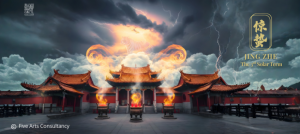
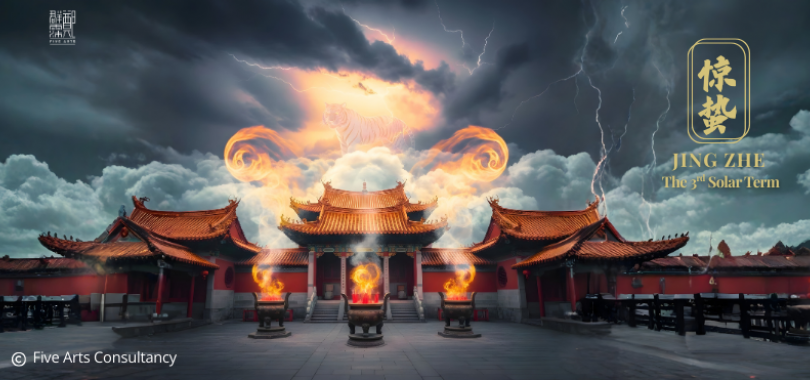
Approximate Transition Date: 18 – 20 Feb - 3. Jīng Zhé 惊蛰 — Awakening of Insects: Creatures stir. Hidden potential begins to rise.
Approximate Transition Date: 5 – 7 Mar - 4. Chūn Fēn 春分 — Spring Equinox: Yin and Yang balance evenly. A harmonious period.
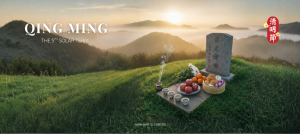
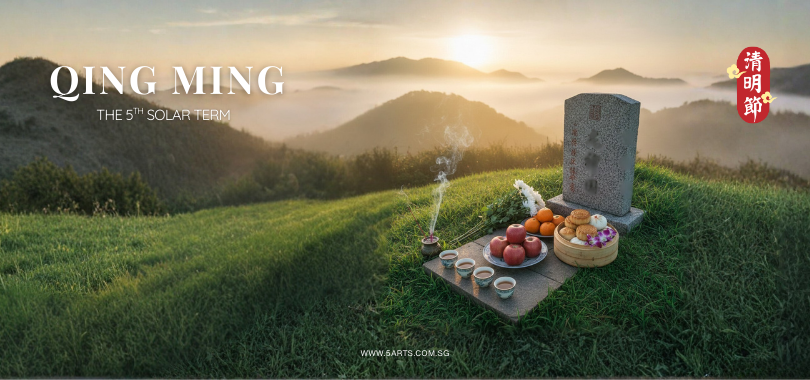
Approximate Transition Date: 20 – 22 Mar - 5. Qīng Míng 清明 — Clear and Bright: Skies open. A time to honor ancestors and clear stale energy.
Approximate Transition Date: 4 – 6 Apr - 6. Gǔ Yǔ 谷雨 — Grain Rain: Abundance qi strengthens, supporting growth and nourishment.
Approximate Transition Date: 19 – 21 Apr - 7. Lì Xià 立夏 — Start of Summer: Yang qi rises. Light and activity increase.
Approximate Transition Date: 5 – 7 May - 8. Xiǎo Mǎn 小满 — Grain Full: Growth reaches fullness. A sign of steady progress.
Approximate Transition Date: 20 – 22 May - 9. Máng Zhòng 芒种 — Grain in Ear: A busy time. Good for action and moving forward.
Approximate Transition Date: 5 – 7 Jun - 10. Xià Zhì 夏至 — Summer Solstice: Yang reaches its peak. After this, Yin begins to return.
Approximate Transition Date: 21 – 22 Jun - 11. Xiǎo Shǔ 小暑 — Minor Heat: Warmth builds. Energy becomes more intense.
Approximate Transition Date: 6 – 8 Jul - 12. Dà Shǔ 大暑 — Major Heat: The hottest point of the year. Important to protect health and calm the mind.
Approximate Transition Date: 22 – 24 Jul - 13. Lì Qiū 立秋 — Start of Autumn: Harvest season begins. Time to gather and prepare.
Approximate Transition Date: 7 – 9 Aug - 14. Chù Shǔ 处暑 — End of Heat: Heat fades. Energy becomes cooler and clearer.
Approximate Transition Date: 22 – 24 Aug - 15. Bái Lù 白露 — White Dew: Dew forms. A gentle, reflective period.
Approximate Transition Date: 7 – 9 Sep - 16. Qiū Fēn 秋分 — Autumn Equinox: Yin and Yang balance again. Good for grounding.
Approximate Transition Date: 22 – 24 Sep - 17. Hán Lù 寒露 — Cold Dew: Cooler qi settles. A reminder to conserve energy.
Approximate Transition Date: 8 – 9 Oct - 18. Shuāng Jiàng 霜降 — First Frost: Frost appears. Time to let go and complete unfinished matters.
Approximate Transition Date: 23 – 24 Oct - 19. Lì Dōng 立冬 — Start of Winter: Qi retreats inward. Best for rest and rebuilding strength.
Approximate Transition Date: 7 – 8 Nov - 20. Xiǎo Xuě 小雪 — Minor Snow: Quiet energy. A time for patience.
Approximate Transition Date: 22 – 23 Nov - 21. Dà Xuě 大雪 — Major Snow: Yin deepens. A good period for inner reflection.
Approximate Transition Date: 6 – 8 Dec - 22. Dōng Zhì 冬至 — Winter Solstice: Yin reaches its peak. After this, Yang is reborn.
Approximate Transition Date: 21 – 23 Dec - 23. Xiǎo Hán 小寒 — Minor Cold: Crisp, cold energy. Keep warm and steady.
Approximate Transition Date: 5 – 7 Jan - 24. Dà Hán 大寒 — Major Cold: The coldest period. A time to conserve qi and wait for rebirth.
Approximate Transition Date: 20 – 21 Jan
The 24 Solar Terms remind us that Qi is constantly changing. There is a time for growth, a time for action, a time for harvest, and a time for rest.
In Feng Shui, understanding these transitions allows us to work with the changing energies rather than against them.
When we understand the rhythm of Heaven and Earth, we learn not only when to act, but also when to remain still.
The dates provided are approximate and may vary slightly each year. Follow us on Facebook at Five Arts Consultancy and Instagram at @yvonne_teh_fong for the exact dates and timings of the Solar Terms each year, together with insights into their changing Qi and Feng Shui significance.